
 Posted ByLouis Henderson
The market for used musical instruments is one of the most active, most enthusiastic, and most genuinely diverse secondhand markets available in any consumer category — driven by the consistent demand of students beginning their musical journeys who seek quality at accessible prices, the professional musicians whose instrument collection evolves continuously as their playing develops and their requirements change, the hobbyist players whose enthusiasm for their craft is matched by their pragmatic awareness that upgrading to better equipment can be genuinely transformative, and the collectors whose appreciation for vintage and rare instruments creates demand at the premium end of the market that bears remarkably little relationship to the original retail price of the instruments in question. Whether the motivation for selling is the practical desire to recoup value from an instrument that is no longer played, the commercial ambition of establishing a regular buying and reselling business, or the specific goal of funding an instrument upgrade by selling a current one, the process of selling musical instruments well — achieving the best available price, reaching the most appropriate buyers, presenting instruments convincingly, and managing the transaction safely and professionally — requires specific knowledge whose application consistently produces better outcomes than the uninformed approach of simply listing an instrument at a guessed price and hoping for the best. This guide covers every significant dimension of musical instrument selling — from the initial assessment and preparation of instruments for sale through pricing research, listing quality, channel selection, and the management of enquiries, viewings, and transactions — with the practical specificity and the honest assessment of different instruments’ specific selling characteristics that genuinely useful guidance requires.
Assessing and Preparing Your Instruments for Sale
The preparation of any instrument for sale is the most undervalued and most consistently overlooked stage of the selling process — the activity whose investment of time and modest cost in cleaning, minor maintenance, and accurate condition assessment produces the most reliable and most commercially significant improvement in both the achievable selling price and the speed of sale of virtually any instrument in virtually any condition. A buyer who receives a well-presented, honestly described, and carefully prepared instrument whose condition matches or exceeds their expectation from the listing is a buyer who is satisfied, who leaves positive feedback, and who may well become a repeat customer if the seller operates on a commercial basis. A buyer who receives an instrument that has been inaccurately described, poorly photographed, or inadequately cleaned is a buyer who becomes a problem — requesting returns, posting negative reviews, or simply never completing the purchase after a viewing that falls short of the impression the listing created.
Cleaning is the most straightforward and most impactful preparation step available for any instrument — the removal of accumulated dust, fingerprints, rosin dust in the case of string instruments, valve slide grease residue in brass instruments, and the general grime of extended storage or regular use that diminishes both the visual appeal and the perceived value of any instrument at the moment of inspection. The specific cleaning approach varies between instrument types — guitar bodies and fretboards have different cleaning requirements from violin varnish, and brass instrument lacquer requires different care from the unfinished brass of vintage instruments — and the use of appropriate cleaning products for each specific surface type prevents the damage that inappropriate products can cause to finishes, strings, pads, and other sensitive components whose condition directly affects both the instrument’s playability and its value. A guitar whose fretboard has been cleaned and conditioned, whose body has been polished, and whose strings have been replaced for the sale presents as a fundamentally different proposition to the same guitar with dirty fretboard, cloudy finish, and dead strings — a difference in presentation whose commercial impact routinely accounts for twenty to thirty percent of the achievable selling price difference between an identical instrument presented well versus poorly.
Honest and accurate condition assessment is the ethical and commercial foundation of any successful instrument selling operation — the discipline of describing each instrument’s condition with the precision and the honesty that allows prospective buyers to make informed decisions whose expectations are met rather than disappointed by the actual instrument. The condition categories most commonly used in the instrument market — mint, excellent, very good, good, fair, and poor — need to be applied consistently and honestly, with specific disclosure of any damage, repair history, modifications, wear, or functional issues that affect the instrument’s playability or its value. The seller whose condition descriptions are reliably accurate builds the reputation that generates repeat customers and positive reviews, while the seller whose descriptions habitually overstate condition experiences the returns, disputes, and reputational damage that follows the inevitable gap between described and delivered condition. Specific disclosure of any significant issues — a repaired crack in a guitar body, a replaced tuning machine, a refretted neck, a dented bell on a brass instrument — is not a commercial disadvantage but a commercial protection that prevents the transaction disputes that undisclosed issues invariably generate.
Pricing Research: Finding the Right Number for Every Instrument
The pricing of used musical instruments is the most commercially consequential decision in the selling process and the one whose quality most directly determines whether an instrument sells quickly at a fair price, sits unsold for months at a price the market will not support, or sells rapidly at a price that leaves significant value unrealised. The right price for any used instrument is not a number determined by what the seller paid for it, what they feel it is worth, or what a similar new instrument costs — it is the number that reflects what buyers in the current market are actually willing and able to pay for an instrument of that specific make, model, age, condition, and provenance, informed by research into what comparable instruments have actually sold for rather than simply what they are listed for.
Completed sales research — the examination of what comparable instruments have actually sold for on major platforms including eBay, Reverb, and Gumtree rather than the asking prices of current listings whose sellers may be as uninformed about market value as the seller conducting the research — is the most reliable available method for establishing realistic market pricing for any used instrument. eBay’s completed listings filter, which shows the actual sale prices of identical or comparable instruments in the past ninety days, provides the most comprehensive historical sales data available for pricing research in the consumer instrument market, whose transaction volume across every instrument category creates a genuine statistically meaningful sample of recent market prices. Reverb — the dedicated used instrument marketplace whose focus on musical instruments creates a more specialist and often more accurately priced data source than general marketplaces — provides both its own completed sales data and its Price Guide tool whose aggregated historical pricing for specific instrument makes and models provides immediately accessible market pricing reference for the most common instruments without requiring manual research into individual historical listings.
The pricing variables that adjust any instrument’s market value above or below the general category average include originality — unmodified vintage instruments typically command significant premiums over modified equivalents — the presence of original case, documentation, and accessories whose inclusion significantly enhances both the instrument’s appeal and its achievable price, the specific condition within the general condition category whose differentiation between the best and worst examples of any condition grade can justify meaningful price variation, the provenance or history of particularly notable instruments whose previous ownership or specific manufacturing details create collector interest, and the current market momentum for any specific instrument type whose trending status in playing communities can create temporary price premiums above historical averages. The seller who has invested sufficient time in pricing research to understand these variables and to apply them accurately to their specific instrument is the seller who achieves the best available price rather than the price that uninformed guesswork would produce.
Choosing the Right Sales Channels for Different Instruments
The sales channel through which any instrument is listed for sale has as significant an impact on the outcome of the sale — in terms of achievable price, speed of sale, and transaction safety — as any other single decision in the selling process, because different channels attract different buyer demographics, operate under different fee structures, provide different levels of transaction protection, and are perceived with different degrees of trust and familiarity by buyers in different market segments. Understanding which channels are most appropriate for different types of instruments and different seller objectives is the strategic knowledge that allows instrument sellers to direct their listings to the platforms where their specific instruments will find their most appropriate and most willing buyers.
Reverb is the most important and most consistently recommended selling platform for any musical instrument above the very basic entry level — a dedicated instrument marketplace whose community of serious buyers and sellers, whose instrument-specific search and filtering functionality, whose PayPal-backed buyer and seller protection systems, and whose reputation as the go-to online destination for used instrument purchasing make it the platform of choice for any seller whose instrument has genuine market value and whose transaction requires the protection that a dedicated marketplace provides. The fees — Reverb charges approximately five percent of the sale price as a seller fee — are reasonable relative to the platform’s reach and the quality of the transaction protection it provides, and the investment in a quality Reverb listing with excellent photography, accurate description, and competitive pricing consistently produces faster sales and higher prices than equivalent listings on less specialised general platforms for the same instruments. eBay remains an important complementary channel for instruments whose broad appeal and name recognition make them accessible to buyers beyond the dedicated musician community — beginner instruments, popular brand models, and vintage instruments whose collector appeal extends beyond active players to general auction enthusiasts — and whose auction format can occasionally produce above-market prices when bidding competition drives the final price above the seller’s expectation.
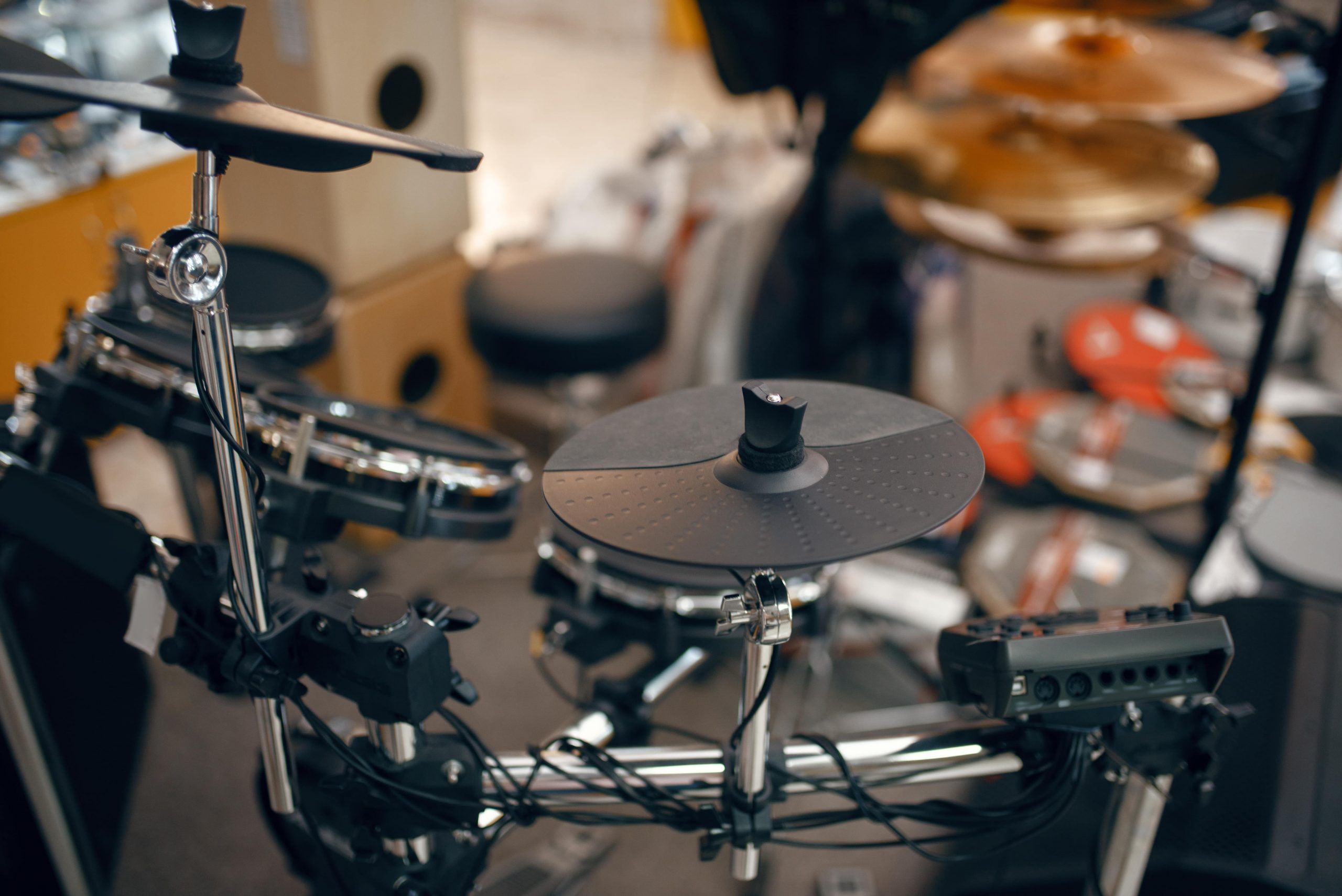
Local selling channels — Facebook Marketplace, Gumtree, local music forums, and the specific selling groups that exist for most major instrument categories on Facebook — offer the significant advantage of cash transactions without platform fees and the avoidance of the shipping challenges that large, heavy, or fragile instruments including pianos, drum kits, double basses, and large amplifiers create when sold through postal channels. The specific instruments whose size, fragility, or shipping cost makes local sale strongly preferable to postal sale include full-size pianos and digital pianos, drum kits and large percussion, double basses and large cellos, heavy guitar amplifier heads and cabinets, and any instrument whose value is insufficient to justify the cost and risk of professional courier shipping. Music shops — whose consignment selling arrangements allow the shop to display and sell the instrument on the owner’s behalf in exchange for a commission that typically ranges from fifteen to thirty percent of the sale price — provide a further channel whose particular value for sellers who lack the time or the expertise to manage the selling process independently justifies the commission cost through the professional handling, the established customer base, and the in-store credibility that an established retail environment provides.
Creating Listings That Sell: Photography, Description, and Presentation
The quality of an instrument’s online listing — the photography whose visual impact creates the crucial first impression, the description whose accuracy and completeness provides all the information the buyer needs to make a confident purchase decision, and the overall presentation whose professionalism signals the seller’s reliability and the instrument’s genuine quality — is the most directly controllable variable in the selling process and the one whose improvement produces the most immediate and most measurable impact on listing performance. The difference in enquiry volume, conversion rate, and achievable price between a poorly photographed, vaguely described instrument listing and a professionally presented, comprehensively described equivalent for the same instrument is routinely dramatic enough to be one of the clearest examples of return on effort available in any area of commercial activity.
Photography is the most important single element of any online instrument listing — the visual impression that determines within seconds whether a prospective buyer continues reading or moves to the next listing, and whose quality signals far more about the seller’s care, reliability, and the instrument’s genuine condition than any written description can communicate with equivalent immediacy. Effective instrument photography requires natural or controlled lighting whose even illumination reveals the instrument’s finish, condition, and details without the harsh shadows and blown-out highlights that flash photography reliably produces, a clean neutral background whose absence of visual distraction focuses attention entirely on the instrument, multiple views that cover the full instrument from every angle whose relevance to condition assessment is established by the specific instrument type — headstock detail, fingerboard condition, body binding, bridge area, and any areas of wear for a guitar; bell, valve section, slide action, and any areas of denting or lacquer wear for a brass instrument — and specific close-up shots of any condition issues whose honest documentation prevents the disputes that undisclosed problems generate and whose presence in the listing actually builds buyer confidence by demonstrating the seller’s transparency.
The written description that accompanies any instrument listing should provide every piece of information that a knowledgeable buyer would want to verify before committing to purchase — the specific make and model, the year of manufacture where known, the country of origin, the materials and construction specifications whose relevance to the instrument’s quality and value are well understood by serious buyers, the complete and accurate condition assessment covering both cosmetic and functional condition, the provenance including any previous owners or significant history where known and relevant, the included accessories and case, and the seller’s specific return policy and transaction preferences. The description that provides this information comprehensively and accurately is the description that generates the fewest pre-purchase queries, the fewest post-purchase disputes, and the highest proportion of successfully completed transactions — because the buyer who has been given all the information they need to make a confident decision is the buyer most likely to complete the purchase without the additional friction of questions, viewings, and post-sale disappointment that incomplete descriptions routinely produce.
Managing Enquiries, Viewings, and Completing the Sale Safely
The management of buyer enquiries, the organisation of viewings for instruments being sold locally, and the safe completion of transactions represent the final stage of the selling process whose quality determines both the seller’s experience of the process and the buyer’s experience of the instrument — and whose professional handling is as important to the outcome of any specific sale as the quality of the listing that initiated the buyer’s interest. The seller who manages this stage poorly — who responds slowly to enquiries, who is vague or evasive about questions, who creates uncertainty about transaction terms, or who handles the handover of a local sale carelessly — loses sales that their listing quality earned and creates the negative experiences that prevent repeat business and generate the negative feedback whose long-term impact on selling reputation exceeds the cost of any single transaction.
Prompt and informative responses to buyer enquiries are the most basic requirement of professional instrument selling — the acknowledgement that any serious buyer considering a purchase of meaningful value deserves a timely, helpful, and honest response to their questions. For online sales, responding to enquiries within a few hours during business hours and within twenty-four hours at a maximum demonstrates the engagement and reliability that buyers associate with trustworthy sellers, while the seller who allows enquiries to sit unanswered for days loses the buyers whose purchase intention is genuine but whose willingness to wait for information from an unresponsive seller is limited. For local sales, clear and straightforward communication about viewing arrangements — confirming the specific address, the available times, and any practical details the buyer needs to plan their visit — creates the smooth, professional experience that facilitates rather than obstructs the purchase decision.
Transaction safety — the specific measures that protect both seller and buyer from the fraud, the payment disputes, and the identity theft that any high-value consumer transaction carries some risk of — is a genuinely important dimension of professional instrument selling whose neglect creates exposures whose consequences can be significantly more costly than the modest inconvenience of the protective measures that prevent them. For online sales, using the payment systems built into established platforms — PayPal Goods and Services for private sales, or the integrated payment processing of Reverb and eBay whose buyer and seller protection mechanisms provide meaningful recourse in the event of disputes — rather than accepting bank transfers to private accounts or cryptocurrency payments whose irreversibility leaves the seller with no recourse against non-delivery claims, provides the transaction protection that the value of most musical instruments justifies. The discipline of understanding the specific business and finance implications of the selling activity — the tax treatment of instrument sales whose volume or profit margin may create reporting obligations, the implications of operating as a regular buyer and seller rather than disposing of personal property, and the specific record-keeping whose maintenance supports any necessary tax reporting — is the professional responsibility that any seller operating at more than occasional personal disposal level should address with the same seriousness they bring to every other commercial dimension of their instrument selling activity.
Conclusion
Selling musical instruments well — achieving the best available price, reaching the most appropriate buyers, presenting instruments with the honesty and the quality that builds reputation and repeat business, and managing transactions with the professionalism that protects both parties — is a skill whose development through the consistent application of the principles this guide has covered produces progressively better outcomes with every successive sale. The investment in accurate condition assessment and thorough preparation, the research discipline that establishes realistic and informed pricing, the channel selection knowledge that matches each instrument to the platform whose buyer demographic best fits its specific appeal, the listing quality that creates the confident first impression and the comprehensive information whose provision converts interest into purchase decisions, and the transaction management professionalism that protects both parties and builds the selling reputation on which any sustained instrument trading activity depends — these are the dimensions of instrument selling excellence whose consistent application distinguishes the successful instrument seller from the occasional lucky one. Whether the goal is the one-time sale of a single instrument, the regular turnover of a personal collection as it evolves with the owner’s musical development, or the establishment of a genuine instrument dealing business whose commercial success reflects the combined application of all these skills at professional standard, the knowledge this guide provides is the starting point whose development through practice and experience produces the expertise that the musical instrument market consistently and generously rewards.